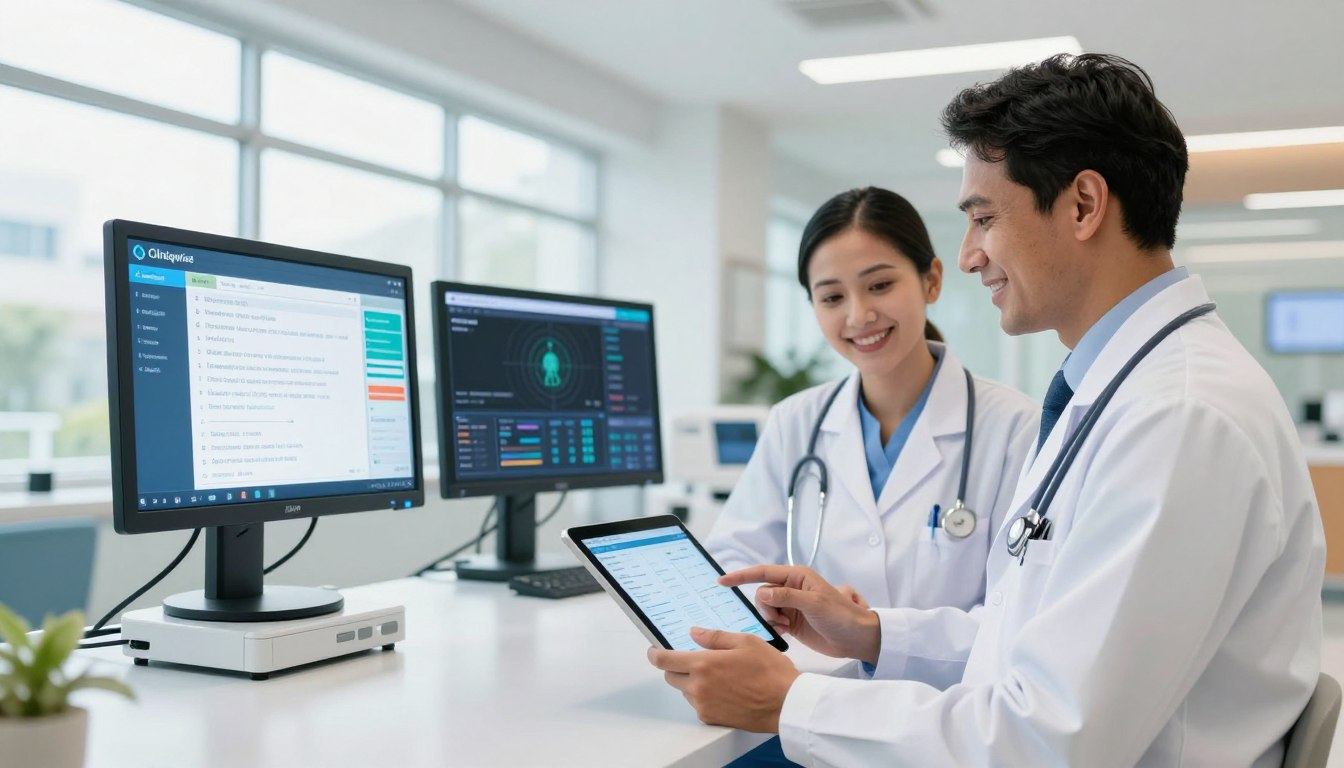
India has hit a big milestone with over 73 crore registrations under the national digital health mission. Yet, many clinics face problems with scattered records and old-fashioned workflows. Modernising your facility is now a must, not just a choice, in today's digital world.
We've put together a detailed review of the best abdm compliant hospital management software india for 2026. Our focus is on easy integration with ABHA and PMJAY systems to make your daily tasks smoother. By using an abdm compliant hmis, your team can cut down on paperwork and focus more on patient care.
We want to guide administrators through the complex digital world with ease. Picking the right abdm compliant hospital management software will keep your clinic ahead and in line with national standards.
Key Takeaways
Over 73 crore citizens are now registered within the national digital health framework.
Manual record-keeping remains a significant barrier to efficient healthcare delivery in many clinics.
Our review identifies top-tier digital tools that prioritise seamless ABHA and PMJAY integration.
Modernising your infrastructure helps to minimise errors and improve overall patient satisfaction.
Selecting the right platform is essential for long-term operational success and regulatory alignment.
Make Your Hospital ABDM & PMJAY Ready
Book a Free DemoModernise OPD, IPD, billing, EMR, ABHA integration, and PMJAY workflows with Cliniqwise healthcare management software.
The Evolution of Healthcare Digitisation in India
Indian hospitals are changing how they handle patient data and clinical workflows. This change is driven by the Ayushman Bharat Digital Mission (ABDM). It's creating a unified digital health India abdm framework. This shift focuses on patient care, moving away from old, manual ways.
The move to hospital digitization in india is more than just switching to digital files. It's about making a network where information moves smoothly between everyone involved. While cities are embracing emr adoption in india, there's a big gap in rural areas that needs fixing.
To be a true digital hospital india, places must do more than just keep records. They need systems that help make quick decisions and work together. Here's a table showing the big differences between old systems and new digital ones:
Feature | Traditional Paper-Based System | Modern Digital System |
Data Accessibility | Limited to physical location | Available via cloud/ABHA |
Record Accuracy | High risk of manual errors | Automated and validated |
Interoperability | None (Siloed data) | High (ABDM compliant) |
Patient Engagement | Minimal/Reactive | Proactive/Consent-based |
We think the future of healthcare depends on going digital. As hospitals use these new technologies, they get better at what they do. This change is key to making healthcare in India strong and able to meet everyone's needs.
Common Operational Challenges in Modern Indian Hospitals
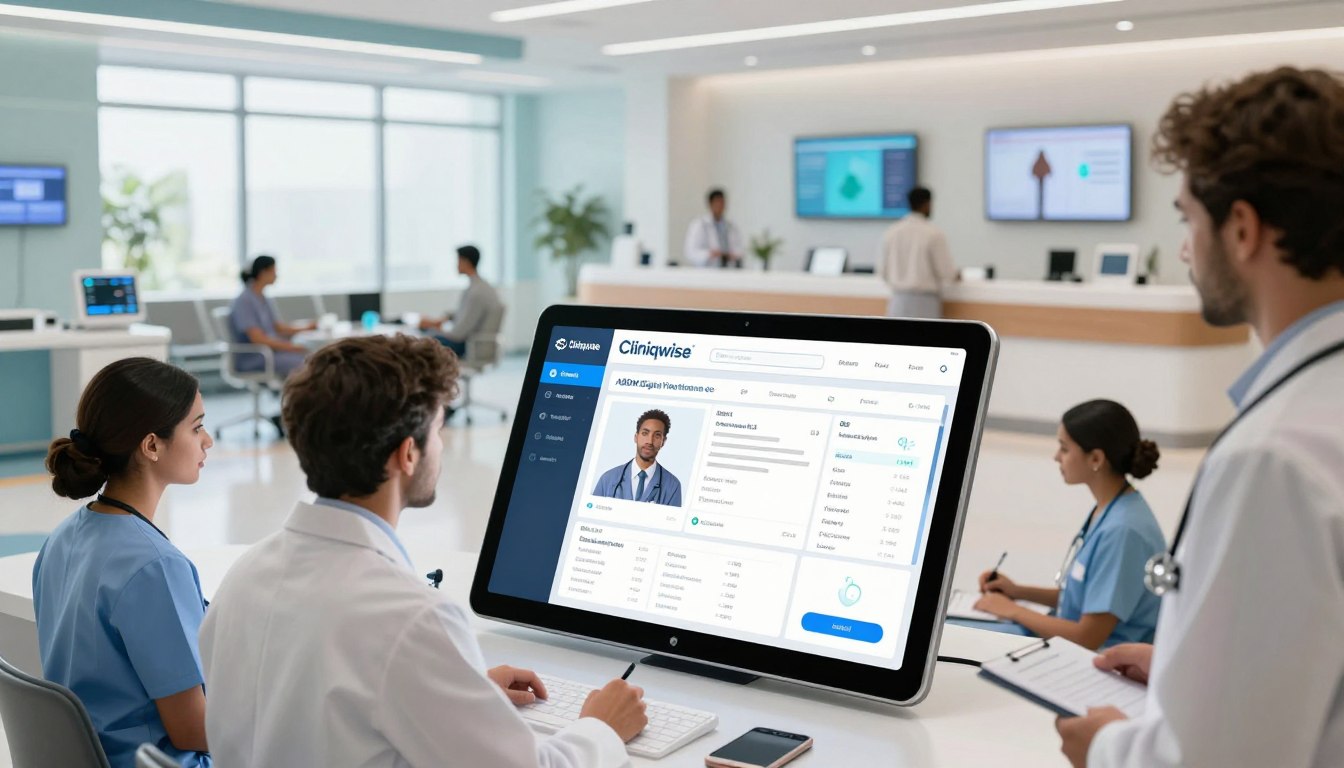
Modern Indian hospitals face many operational challenges. These challenges often make it hard to give top-notch care to patients. One big problem is that workflows don't always work well together. This stops staff from focusing on what's most important: the patient.
Another issue is emr adoption challenges in India. Old systems can't talk to new digital ones. This makes it hard to share patient information smoothly.
Manual record-keeping is a big problem in many places. It makes OPD and IPD work slow. When patient data is in paper files, it takes a long time to get it. This makes doctors and patients very frustrated.
Digital transformation is now a must to fix these delays. It's not just a nice-to-have anymore.
Handling money is also a big challenge, like dealing with insurance and PMJAY claims. Hospitals struggle with the paperwork needed. This often leads to mistakes in billing and lost money. It shows we really need systems that can handle claims well and follow national rules.
Also, different software systems make it hard for pharmacies and labs to work together. Without a single system, test results and medicines can get mixed up. To solve these emr adoption challenges in India, we need systems that work together across departments.
Still Managing Hospital Operations Manually?
Reduce paperwork, billing errors, workflow delays, and disconnected systems through ABDM-ready digital healthcare workflows.
Operational Area | Primary Challenge | Impact on Hospital |
Patient Records | Manual Documentation | High Inefficiency |
Insurance/PMJAY | Complex Claims | Revenue Leakage |
Pharmacy/Pathology | Fragmented Data | Coordination Delays |
OPD/IPD | Workflow Silos | Reduced Patient Satisfaction |
Understanding the Role of ABDM in Healthcare Interoperability
The Ayushman Bharat Digital Mission (ABDM) is key to a unified digital health system. It sets up a standard digital framework. This is vital for healthcare interoperability software India needs to grow.
By using abdm integration for hospital software, we connect systems that couldn't talk before. This makes our work easier and helps doctors make better decisions. It's the heart of modernising our work.
ABDM is a strong healthcare interoperability platform India trusts. It makes sharing health data safe and with the patient's consent. Patients can control who sees their health records, keeping care continuous and private.
With hospital interoperability software, we make managing patient data simpler. Patient records are shared across facilities with the patient's okay. This makes EMR and EHR systems work together better, improving care quality.
Why Choosing the Best ABDM Compliant Hospital Management Software Matters
The digital change in Indian hospitals depends on picking the right tech. Making a smart choice today affects your hospital's future success. By using abdm compliant hospital management software, your hospital stays up to date with digital health rules.
Looking for the best abdm compliant hospital management software india is more than just following rules. It's about making sure patient data moves smoothly and safely. A top system supports your team, letting them focus on caring for patients.
Investing in strong tech now saves you from future upgrade costs and problems. A system made for growth keeps your hospital safe from old tech issues. Here are the main benefits of choosing a leading system:
Enhanced Regulatory Compliance:
Keep up with changing health standards easily.
Improved Patient Outcomes:
Get accurate, up-to-date health records for better care.
Operational Efficiency:
Make your hospital run smoother, freeing up staff time.
Future-Proofing:
Make sure your hospital is ready for new digital health tech.
The right abdm compliant hospital management software helps manage complex rules. It makes your hospital a leader in India's healthcare. Choosing the right partner now helps your hospital grow and excel.
Build a Digitally Connected Healthcare Facility
Enable ABHA integration, healthcare interoperability, cloud workflows, and real-time patient management with Cliniqwise.
Cliniqwise by Tridev Technologies: A Comprehensive Review
We look at Cliniqwise by Tridev Technologies as a key for modern, digital health care in India. It offers a robust digital infrastructure that meets the changing needs of health care in the country.
Overview of the Platform
Cliniqwise is a abdm ready hmis made for the Indian market. It's a full abdm integrated hospital management system that makes switching to digital health records easy.
The platform has an easy-to-use interface. This makes it simple for medical staff to learn. It also offers seamless connectivity, making it a reliable abdm enabled hospital software for sharing data in real-time.
Target Audience and Suitability
This solution is flexible, making it perfect for many users. It suits both small clinics and big hospitals, adapting to your needs.
Many doctors see it as the best emr software for indian hospitals because it's easy to use and scalable. It's great for emr software for indian doctors who need a stable, abdm compliant hmis for managing patient care. It's also top-notch emr software for hospitals in india, helping all kinds of facilities keep up with digital care standards.
Core Features of Cliniqwise for Modern Healthcare Providers
Choosing the right technology is key for multi-speciality hospitals in India. Our platform is a reliable cloud hospital management software india abdm. It keeps your facility at the top of digital health. We also have an offline friendly hospital management system for when the internet is down.
User Interface and Role-Based Access Control
In a hospital, quick access to data is essential. Our role based access control hospital software lets staff see only what they need. This streamlined approach cuts down on mistakes and boosts data security.
Our interface is simple, making it easy for your team to learn. It helps them focus on patient care. Our system also has strong security to protect health information.
Cloud-Based Scalability for Multi-Speciality Hospitals
As a leading cloud based hmis for multi speciality hospitals, our solution grows with you. You don't have to worry about expensive upgrades or server maintenance. This makes our platform perfect for hospital software for tier 2 city hospitals with limited resources but a need for quality care.
Our system works well for any size of hospital. It adapts to your patient numbers. We give you the tools to keep high standards of service without the hassle of complex IT.
Feature Category | 50-Bed Facility | 100-Bed Facility |
ABDM Compliance | Standard Integration | Advanced Integration |
Scalability | High Flexibility | Enterprise Ready |
Data Management | Cloud-Based | Cloud-Based |
System Type | abdm compliant hospital software for 50 bed hospital | abdm compliant hospital software for 100 bed hospital |
Streamlining PMJAY Workflows and Claim Management
Managing PMJAY claims is a big challenge for healthcare facilities today. It can cause delays and lead to lost revenue. With abdm software for pmjay hospitals, these issues can be solved efficiently.
Our method integrates these workflows into the hospital's system. This makes it easier for staff to focus on patient care. Using pmjay hmis is now essential for growth.
Automating Insurance Documentation
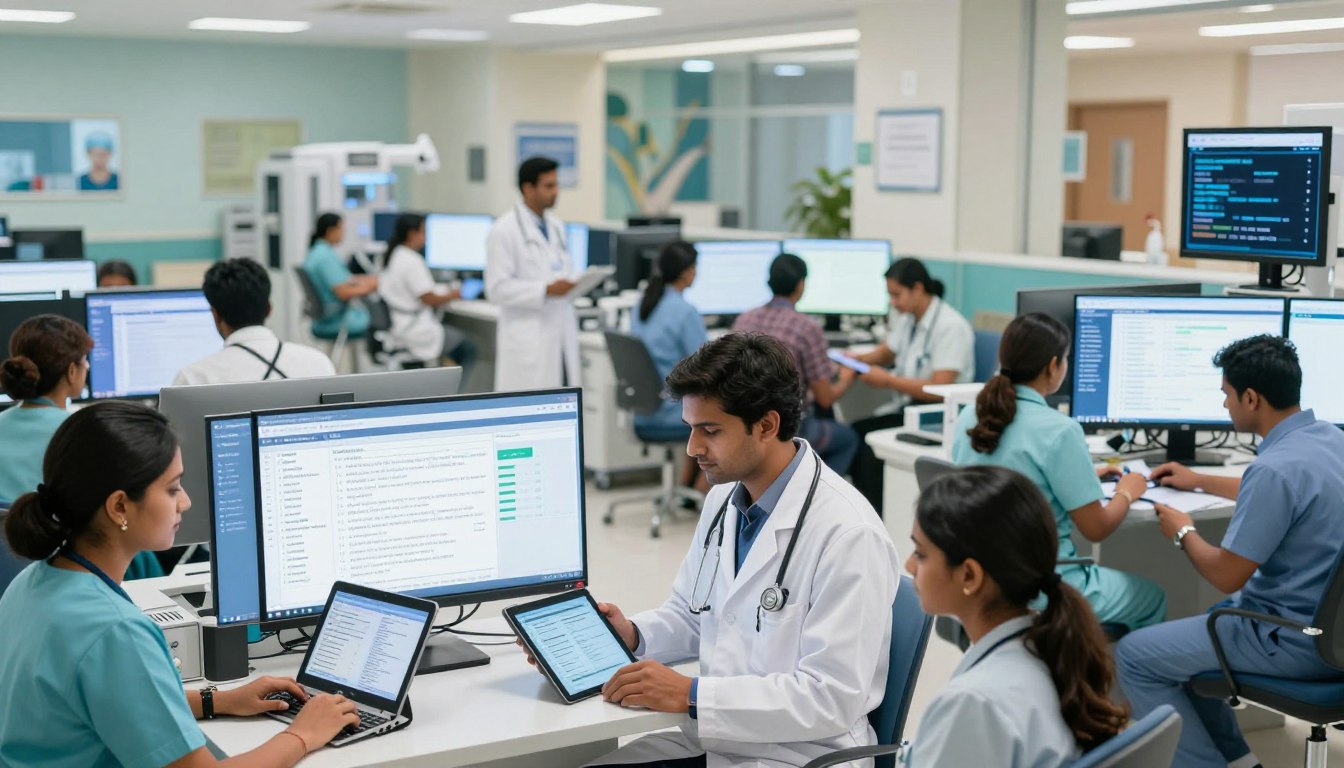
Manual data entry is error-prone and time-consuming. Cliniqwise automates insurance documentation, a key part of digital claim management hospital software. This digitisation cuts down manual submission time.
This automation ensures accurate patient data capture at the point of care. With abdm compliant software mandatory for pmjay hospitals, the system checks data against government standards. This seamless integration prepares documentation for audits and submissions.
Reducing Billing Errors in PMJAY Empanelled Hospitals
Billing errors lead to claim rejections, harming a hospital's finances. Our pmjay claim management software prevents these errors by flagging inconsistencies. It ensures correct coding for every procedure.
We think pmjay hospital software should protect your revenue cycle. By using hospital software for pmjay empanelment, you reduce rejection risks. This is key for maintaining empanelment status and quality care.
ABHA Integration and Digital Patient Record Management
We're seeing a big change in how patient data is handled, thanks to ABHA. By using abha integrated hospital software, healthcare places can ditch old paper systems. This move is key for any clinic wanting to offer top-notch care.
With an abha based patient registration system, patient identity checks are quick and easy. Choosing hospital software with abha integration means every patient visit is recorded right from the start. This is vital for keeping data accurate and ensuring patient safety.
Consent-Based Health Data Sharing
The Ayushman Bharat Digital Mission focuses on giving patients control over their health records. Patients can choose who sees their medical history. This open approach builds trust between doctors and patients.
"Digital health is not just about technology; it is about empowering patients to take charge of their own health journey through secure and informed data sharing."
Our systems make sure abha health id integration in hmis is safe. By using abha address integration in hospital software, clinics can check patient details fast. This cuts down on paperwork and mistakes during sign-up.
Implementing ABHA-Linked EMR Systems
Switching to an abha linked emr software is smart for any medical place. It's key to know the emr vs ehr difference to pick the right tool. An EMR deals with clinical data in your practice, while an EHR looks at the patient's health across providers.
We suggest using abdm integrated emr software india for national standards. Our abha integrated emr software lets doctors update records in real-time. This is why emr software for hospitals in india needs to be strong and grow with your needs.
Also, using ehr software for hospitals in india keeps a full health record of patients. With abha number integration for hospitals, you can merge different records into one profile. This single view is what modern digital healthcare aims for.
Enhancing OPD and IPD Efficiency through Automation
Improving hospital operations means using hospital workflow automation software in India. Many hospitals face problems with slow processes and too much paperwork. By focusing on opd ipd digitization in hospitals, we can make patient care better and reduce administrative tasks.
Upgrade to Modern Hospital Management Software
Streamline appointments, billing, pharmacy, pathology, EMR/EHR, and healthcare analytics through one unified platform.
Optimising Appointment Management
Booking patient appointments can be a big challenge. Our hospital software with whatsapp reminders helps by keeping patients on track. This keeps your clinic running smoothly all day.
"Digital efficiency is the cornerstone of modern healthcare, allowing providers to bridge the gap between administrative tasks and patient outcomes."
Digital Workflow Automation for In-Patient Departments
Switching to digital hospital workflow software makes tracking patients easier. We make sure all patient data is up-to-date. This is key for accurate health records. It shows how an ABDM ready HMIS with opd ipd billing works well.
Here's how our systems improve hospital work:
Operational Area | Manual Process | Automated System |
Appointment Booking | Phone calls/Paper logs | Instant digital scheduling |
Patient Follow-ups | Manual reminders | Automated WhatsApp alerts |
Billing Accuracy | High error probability | Synchronised clinical billing |
Data Retrieval | Time-consuming searches | Real-time digital access |
Pharmacy and Pathology Coordination in a Unified System
We know that not working together can slow down healthcare. Labs and pharmacies often don't share information well. This makes it hard to treat patients quickly. Using hospital software with pharmacy and lab integration fixes this problem.
Integrating LIS with Hospital Information Systems
To help patients, we need to integrate LIS and pharmacy with HIS. This means orders go straight to labs without paper. When results come back, they update the patient's file right away.
This way, doctors can make quick decisions. It cuts down on mistakes from typing errors. With everyone on the same page, care gets faster for all patients.
Pharmacy Inventory and Prescription Management
Good pharmacy work is more than just keeping track of stock. It needs a direct link to prescriptions. Our systems send pharmacy alerts when a doctor writes a prescription. This automation reduces billing errors and gets patients their meds faster.
Also, knowing what medicines you have is key to not running out. With an ABDM ready HMIS with OPD, IPD, pharmacy, lab, and billing modules, hospitals can see their stock clearly. This is critical for modern care that focuses on the patient and works well.
Ensuring DPDP Act 2023 Compliance and Data Security
We know that patient trust is based on secure and private health data. As digital records grow, hospitals must focus on protecting sensitive information. This is to stop unauthorised access.
The DPDP Act 2023 has raised the bar for handling personal data in medical facilities. Our team makes sure Cliniqwise is a top-notch dpdp compliant hospital management software. It meets the strict rules of modern Indian healthcare.
Data Privacy Standards in Healthcare
Following the dpdp act 2023 healthcare compliance checklist is now essential for leading hospitals. We use automated consent management. This keeps patients informed about their health records.
Using a dpdp compliant ehr software india helps clinics standardise data handling. This ensures patient information is safe from start to finish.
Mitigating Health Data Breach Risks
A health data breach penalty india can harm a hospital's finances and reputation. We lower these risks with strong encryption and access controls in our dpdp compliant emr software.
Keeping data safe is an ongoing effort. It needs the latest technology and strict rules. Choosing an abdm compliant hospital management software that focuses on dpdp act healthcare compliance helps hospitals fight cyber threats.
Security Feature | Implementation Status | Risk Mitigation Level |
End-to-End Encryption | Active | High |
Role-Based Access | Active | High |
Audit Logging | Active | Medium |
Consent Management | Active | High |
Technical Architecture: HL7 FHIR and ABDM Sandbox Integration
Creating a connected healthcare system needs a strong technical base. Our platform leads in digital health by using the HL7 FHIR R4 standard. This global standard ensures safe data sharing across different medical systems in India.
Adopting FHIR R4 Standards
Using the hl7 fhir standard in India is key for updating patient care. By picking fhir r4 for abdm health records, we make sure patient data is well-organised, easy to access, and safe. This standard makes hl7 fhir integration in hmis simpler, helping hospitals talk well with the national health system.
Our focus on abdm fhir r4 implementation keeps your facility up-to-date with national rules. We think fhir integration for hospital software should be easy and dependable. This technical effort supports lasting digital changes in any healthcare setting.
Navigating the ABDM Connector API
Connecting to the national network needs a good grasp of the abdm connector api. We offer a detailed abdm integration guide for hospitals to help IT teams adjust easily. Our software is ready for the challenges of abdm sandbox integration, allowing for detailed testing before going live.
The platform supports all abdm m1 m2 m3 integration needs. These modules are key for sharing data with consent and identifying patients. By understanding these protocols, your hospital stays connected in the digital health world.
Integration Module | Primary Function | Technical Scope |
M1 Module | Patient Identification | ABHA Verification |
M2 Module | Consent Management | Data Access Control |
M3 Module | Health Data Exchange | FHIR Resource Sharing |
Pros and Cons of Adopting Cliniqwise
Switching to a new software platform needs a clear view of the benefits and preparation needed. The effort to change is real, but the long-term gains of a fully integrated system are worth it.
Advantages for Healthcare Providers
Choosing Cliniqwise can change how hospitals work, making daily tasks more modern. It helps by putting all data in one place, cutting down on paperwork and letting staff focus on patients.
Key benefits include:
Improved Operational Efficiency:
Automating tasks cuts down on mistakes and speeds up patient care.
Seamless Compliance:
ABDM features in Cliniqwise make it easy to meet digital health standards.
Enhanced Patient Engagement:
Digital records and sharing make patient care more open and connected.
"Digital transformation in healthcare is not just about new tech; it's about making a system where data leads to better care."
Considerations for Implementation
While the benefits are clear, hospitals should plan carefully for the change. The start needs a solid plan to ensure smooth adaptation without affecting patient care.
The table below shows key things to think about during the rollout:
Factor | Challenge | Mitigation Strategy |
Staff Training | Learning curve for new software | Conduct phased workshops |
Data Migration | Transferring legacy records | Use automated validation tools |
Workflow Adjustment | Changing established habits | Implement in stages by department |
We suggest a phased implementation approach to help staff get used to the new system. Start with one department at a time to spot and fix issues early. This way, the transition to the new system will be smoother and more successful.
Implementation Roadmap for Hospitals and Clinics
Starting your journey to a fully digital hospital requires a clear plan. Moving to a paperless system is complex but key for modern patient care. A structured abdm integration guide for hospitals helps your facility transition smoothly, with little disruption to daily work.
Steps for ABDM Certification
The first step is to assess your current setup to see what modules you need. After picking an abdm ready hmis, you must align your data with national standards. This is essential for a successful abdm certification process for hmis.
Here are the main steps to follow:
Do a gap analysis of your IT setup.
Choose and install
abdm enabled hospital software
that fits your needs.
Sign up on the ABDM portal to start the verification.
Test data exchange modules to ensure they work together.
Training Staff for Digital Transformation
Technology works best when used by skilled people. We think that investing in your workforce is key to digital success. Without training, even the best systems won't reach their full value.
To encourage digital use, try these:
Run hands-on workshops for all staff.
Make user manuals easy to understand, based on roles.
Choose digital champions to help each other during the start.
Have a way to quickly fix tech issues and improve user experience.
By focusing on staff training, you make sure your team is ready for new digital tools. This approach lowers resistance to change and keeps patient care high during the transition.
Future-Proofing Your Healthcare Facility with Digital Tools
We think the future of hospital management is all about combining advanced analytics with patient-focused workflows. To stay ahead in India's healthcare, hospitals need to go beyond simple digitisation. They must adopt a full abdm integrated hospital management system. This way, your place will meet today's standards and be ready for tomorrow's medical needs.
Leveraging Healthcare Analytics Dashboards
Data is key for any modern hospital. Using a top-notch hospital analytics dashboard india, managers can watch important stats live. These tools help us make smart choices that boost how well we work and use resources.
A great healthcare analytics dashboard for hospitals gives us deep insights into patient movement, staff work, and money matters. By keeping an eye on these, we can spot problems early. This helps us keep care quality high, even in busy times.
The Shift Toward Patient-Centric Care
The main aim of going digital is to make patients happier. We're seeing a big move towards patient centric hospital digitization. Here, every patient interaction is tracked and studied to get a full picture of their care. This lets our teams create care plans that really fit each patient.
By using these cutting-edge digital tools, hospitals can keep up with the competition. Empowering patients with their health data builds trust and keeps them coming back. So, investing in these technologies makes your hospital a top player in healthcare for the future.
Conclusion
Choosing a hospital management software like Cliniqwise is key for healthcare providers in India. It's a step forward to meet today's medical needs.
With automated workflows and ABHA connectivity, hospitals can improve patient care. These tools help overcome the challenges of manual processes. This leads to better care and happier patients.
Healthcare leaders should check their digital setup now. A unified platform is essential for handling modern insurance and data needs.
The Indian healthcare scene is quickly becoming digital. We think modernising early is the best way to stay ahead. It ensures better health outcomes for all patients.